.png)
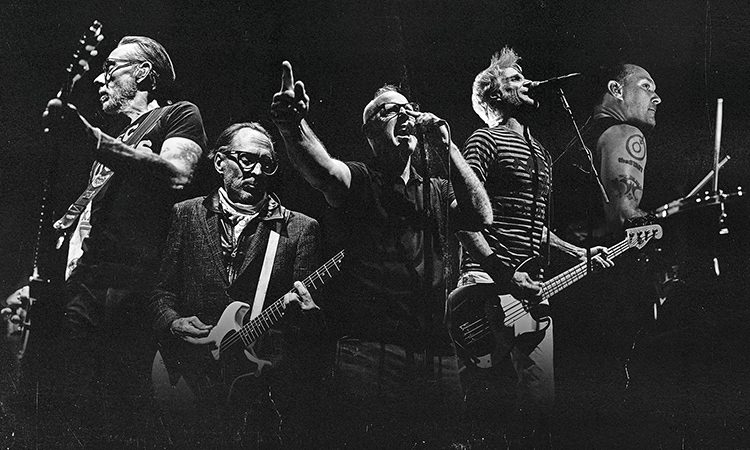
How Bad Religion Kept Their Identity Through Decades of Change
Bad Religion, the legendary punk band formed in 1980, is an exemplary case of a musical group that has successfully navigated through decades of change while steadfastly maintaining its core identity. From their early days in the punk rock scene of Southern California to becoming icons of the genre, Bad Religion has challenged the status quo with their thought-provoking lyrics and unyielding dedication to their craft. Their unique blend of melodic punk rock and intellectual commentary has solidified their place in music history, and their ability to adapt while remaining true to their roots is a testament to their enduring legacy.
Staying True to the Punk Ethos
From the very beginning, Bad Religion emphasized the importance of a strong message over commercial success. Their lyrics often tackle complex themes such as politics, religion, social issues, and personal struggles, resonating deeply with their audience. While many bands underwent significant transformations in sound and image to gain mainstream popularity, Bad Religion took a different route. They remained committed to the punk ethos of authenticity and integrity, which has enabled them to maintain relevance even as musical trends have shifted over the decades. The band’s refusal to compromise on their ideals is a pivotal reason why their fan base has remained loyal through the years.
Evolution of Sound and Style
Throughout their extensive career, Bad Religion has experimented with their sound while retaining their signature style. Albums such as "Suffer," "No Substance," and "True North" exhibit both maturity and innovation, showcasing their ability to evolve without losing their identity. The band's lineup has experienced changes over the years, yet the core of their music—a blend of fast-paced rhythms and poignant lyrics—has remained. This consistent quality in their output reinforces how they have managed to stay true to themselves despite the inevitable changes in the music industry, including the rise and fall of genres, technology in music production, and shifts in audience preferences.
Community Engagement and Outreach
One crucial aspect of Bad Religion's identity is their strong community engagement and dedication to social issues. The band's members have often employed their platform to advocate for various causes, aligning with the punk movement's values of activism. Their participation in social justice initiatives, charity collaborations, and fan-driven projects extend the branding of Bad Religion beyond just music; they are seen as trailblazers for positive change in society. The "Bad Religion Store" is a reflection of this commitment. Not only does the store offer merchandise that fans adore, but it also serves as a hub for the band's community, fostering connections among fans who share similar values and ideologies.
Legacy and Influence
The longevity of Bad Religion is not just a result of their musical prowess, but also their influence on subsequent generations of musicians and bands. By laying down a blueprint for punk rock that integrates thoughtful lyrical content with catchy melodies, they have inspired countless artists. Their impact can be seen in the work of modern punk and rock bands that continue to echo their messages of questioning authority and promoting individuality. They have shaped the punk landscape, proving that a band can endure the test of time by staying authentic and focused on their mission. The Bad Religion Store symbolizes this legacy, offering a glimpse into their journey and allowing fans to be a part of something larger than themselves.
In conclusion, Bad Religion has adeptly maintained their identity through decades of change by staying true to their ideals, evolving musically without compromising their essence, and engaging with their community. As they continue to release new material and connect with fans, their story serves as an inspiration for both musicians and audiences alike. The ongoing relevance of Bad Religion in both the music industry and social spheres demonstrates the power of authenticity and commitment to a cause, reminding us all of the importance of standing up for what we believe in.


